Conditions
OUR APPROACHDedicated to restoring movement, health, and hope.
Casey Slattery, M.D. delivers expert, compassionate care for patients facing spinal disorders and back pain.
Changes in mobility, whether from chronic pain, injury, or spinal pathology, affect every aspect of daily life. Dr. Slattery understands how deeply this can impact patients and brings both advanced surgical skill and genuine empathy to every treatment plan.
Cervical Spine Conditions
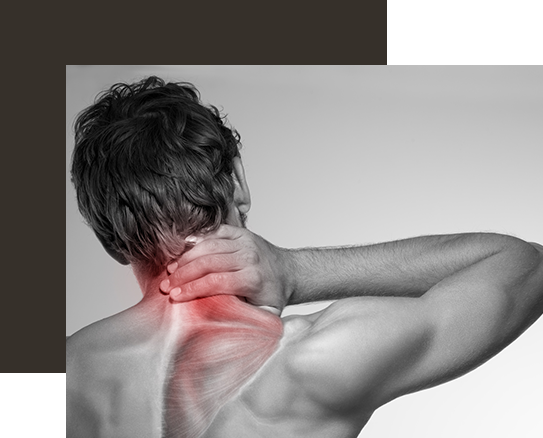
Cervical spine conditions affect the vertebrae in the neck, along with the discs, joints, muscles, and ligaments that support them. These structures may gradually degenerate with age or become damaged due to injury or trauma. Depending on the condition, patients may experience neck pain, stiffness, numbness or tingling in the arms or hands, weakness, and, in some cases, impaired coordination or balance.
Thoracic Spine Conditions
Thoracic spine conditions affect the region of the spine between the collarbone and the twelfth rib. When nerves or blood vessels in this area become compressed or irritated, patients may experience shoulder or mid-back pain, numbness or tingling around the chest or torso, and changes in coordination or balance. Pain can range from a dull, persistent ache to sharp or stabbing discomfort and is often accompanied by muscle stiffness, fatigue, spasms, or weakness.

Complex Spine Disorders
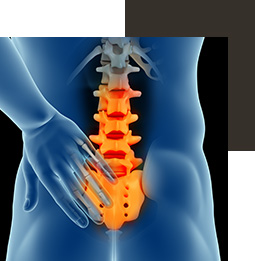
Complex spine disorders involve advanced or multifaceted conditions that often require specialized evaluation and treatment. These may include spinal deformities, traumatic injuries, infections, tumors, and failed back surgery syndrome. Such conditions can cause severe or persistent pain, neurological symptoms, loss of function, or structural instability of the spine, and often demand a comprehensive, individualized treatment approach to restore stability, relieve symptoms, and improve quality of life.