Cervical Spine
Cervical Spine Anatomy
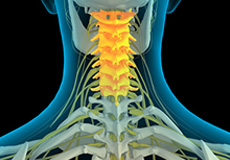
The cervical spine is highly mobile compared to the thoracic or lumbar spine. In contrast to other parts of the spine, the cervical spine has transverse foramina in each vertebra through which the vertebral arteries supply blood to the brain.
Anterior Cervical Discectomy with Fusion
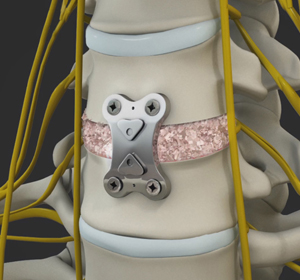
Anterior cervical discectomy with fusion is an operative procedure to relieve compression or pressure on nerve roots and/or the spinal cord due to a herniated disc
Posterior Cervical Fusion
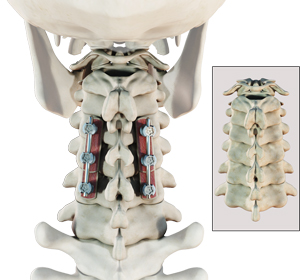
Posterior cervical fusion (PCF), a surgical procedure performed through the back of the neck, involves joining or fusing two or more damaged cervical vertebrae.
Cervical Disc Replacement
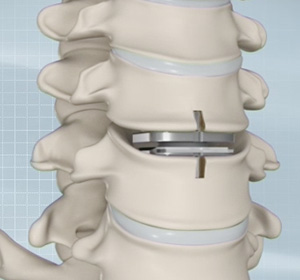
Cervical disc replacement is recommended when non-surgical treatments such as medications, spinal injections, and physical therapy are unsuccessful in the treatment of cervical disc
Cervical Laminectomy
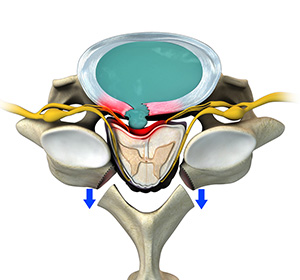
Laminectomy refers to the removal or cutting of the lamina (roof) of the vertebral bones to provide space for the nerves to exit from the spine.
Cervical Foraminotomy
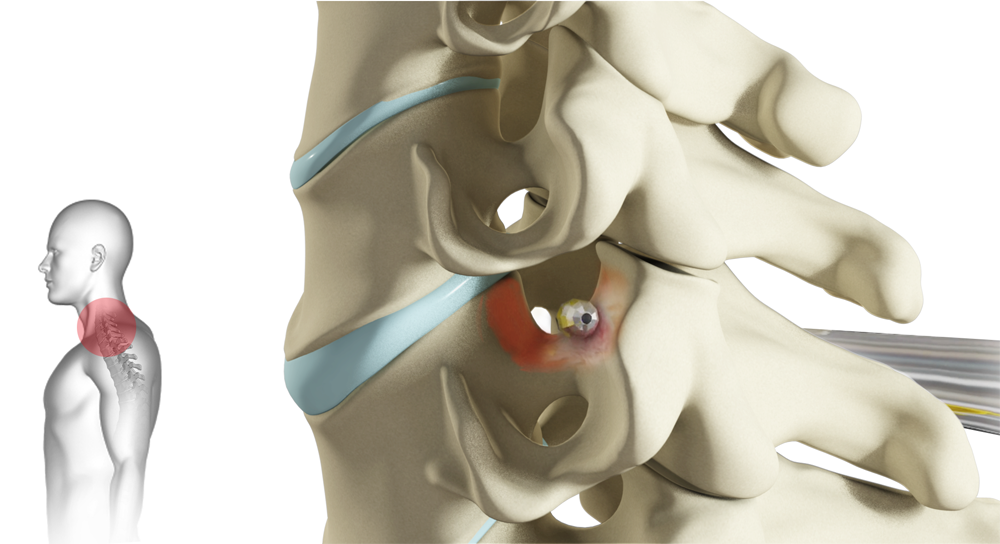
Cervical foraminotomy is a surgical procedure performed to relieve the symptoms of a pinched or compressed spinal nerve by enlarging the neural foramen
Artificial Cervical Disc Replacement
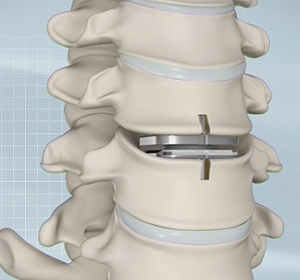
The cervical spine is located in the neck region and consists of seven bones arranged one on top of the other.
Posterior Cervical Decompression
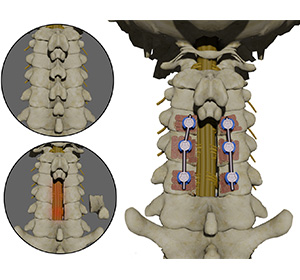
Posterior cervical decompression is a surgical procedure performed through the back of the neck to relieve pressure over compressed nerves
Cervical Fracture
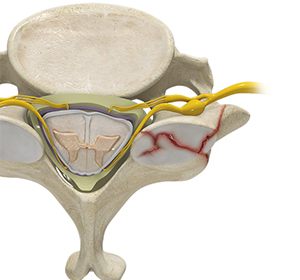
Cervical fractures are common in motor vehicle accidents, sports activities and falls.
Cervical Stenosis
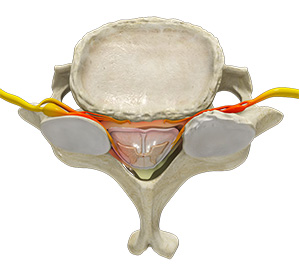
Cervical stenosis refers to the narrowing of the spinal canal that protects the spinal cord and its branching nerves.
Cervical Deformities
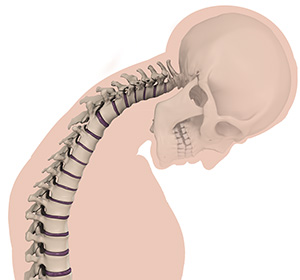
Deformities of the cervical spine usually result in an abnormal posture of the head in comparison with the chest and shoulders.
Cervical Radiculopathy/Myelopathy
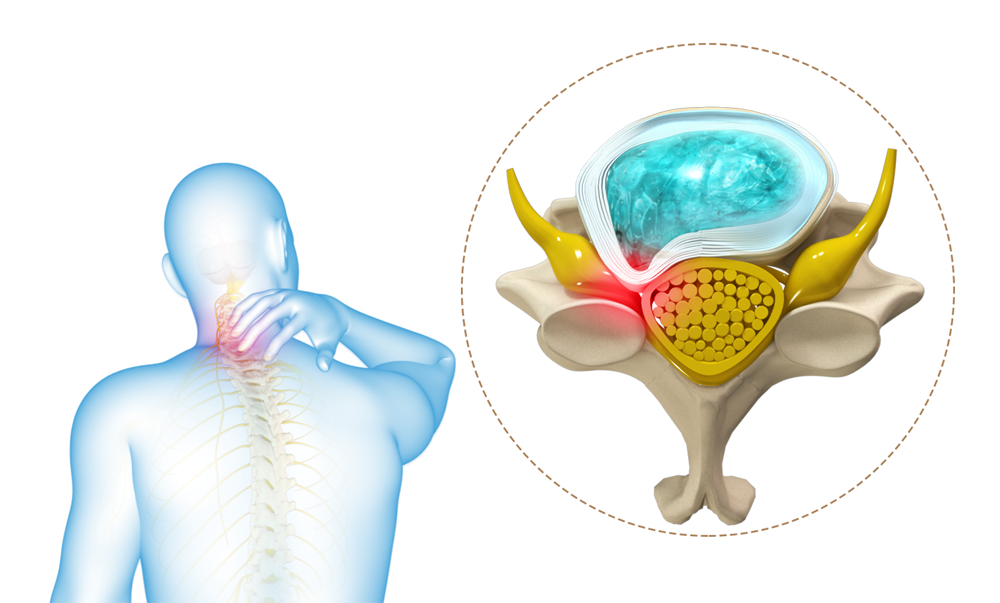
Disc protrusion, also called herniated disc, is a condition caused by a tear in an intervertebral disc, allowing the disc contents to bulge out.
Cervical Disc Herniation
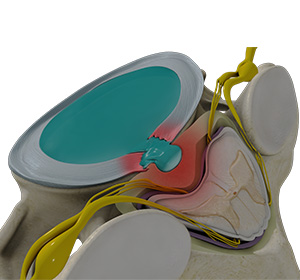
Cervical disc herniation can arise due to aberrations of the intervertebral disc such as bulging, rupture, and slipped or extruded disc.
Cervical Degenerative Disc Disease
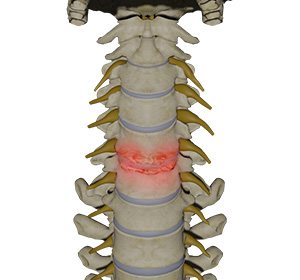
Cervical degenerative disc disease (DDD) is a misnomer, as it is not a disease as such but a condition that affects the strength
Cervical Spondylosis
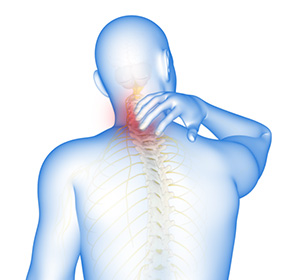
Cervical spondylosis, also called arthritis of the neck, is an age-related medical condition characterized by deterioration of spinal joints, vertebrae, discs, and ligaments in your neck.