General Spine
Anatomy of Spine
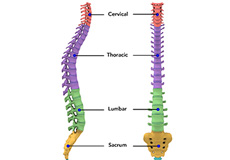
The spine also called the backbone, is made up of vertebral bones with cushioning intervertebral discs between them. The spine is designed to give us stability and smooth movement, as well as providing a corridor of protection for the delicate spinal cord.
Vertebroplasty
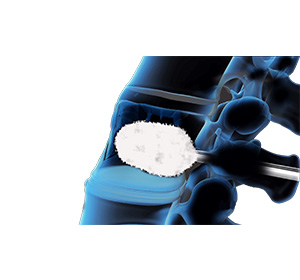
Vertebroplasty is a minimally invasive procedure performed to reduce or eliminate pain caused by a vertebral compression fracture.
Kyphoplasty
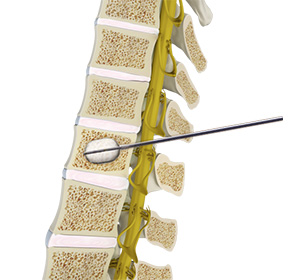
Balloon kyphoplasty is a spine surgery that relieves back pain caused by a vertebral compression fracture.
Scoliosis Surgery
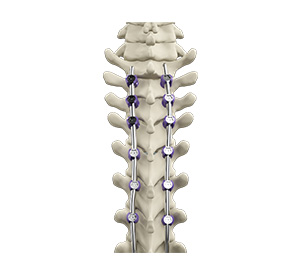
Scoliosis surgery is major surgery. It is performed under general anesthesia and may require several hours to complete.
Spinal Decompression
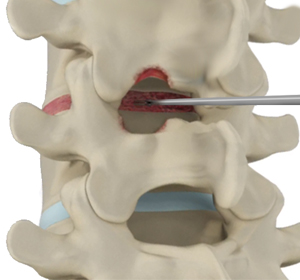
Spinal decompression is a treatment to relieve pressure on one or many “pinched nerves” in the spinal column.
Spinal Fusion
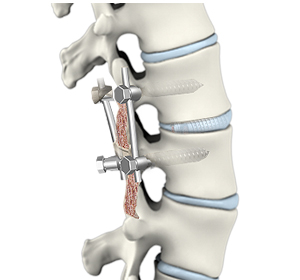
Spinal fusion is the surgical technique of combining two or more vertebrae.
Revision Spinal Surgery
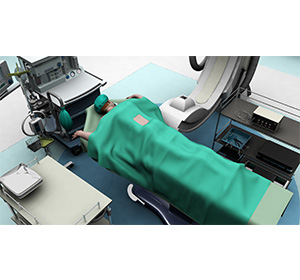
Revision spine surgery is surgery performed in certain patients to correct the problems of earlier spine surgery.
Minimally Invasive Spine Surgery
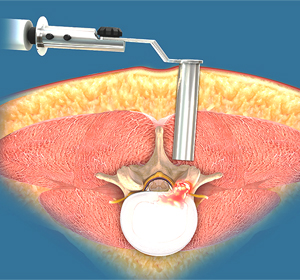
Minimally invasive spine surgery (MISS) is the latest technology available to perform spinal surgeries through small, less than one-inch-long incisions.
Neck Surgery
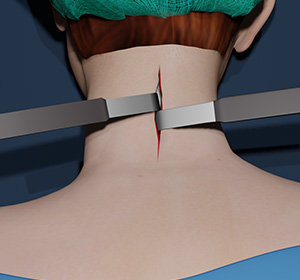
Neck surgery is a surgical procedure employed for the treatment of neck pain when conservative measures such as physical rehabilitation, medications, and rest have failed to provide any relief to your neck pain.
Complex Spinal Reconstruction
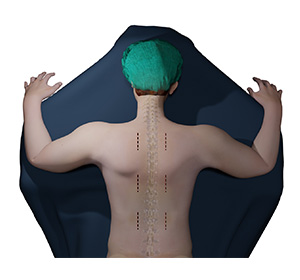
Complex spinal reconstruction is a major surgical procedure to correct spine deformities and associated symptoms such as pain, numbness, and instability in your back, shoulders, arms, or legs.
Motion Preservation Surgery
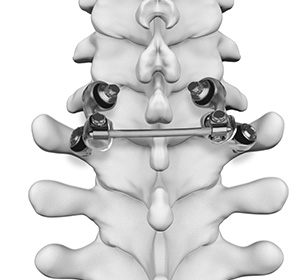
Motion preservation surgery or Motion Preservation Spine Surgery (MPSS) is a relatively new surgical method employed as an alternative to standard spinal surgeries
Spine Trauma Surgery
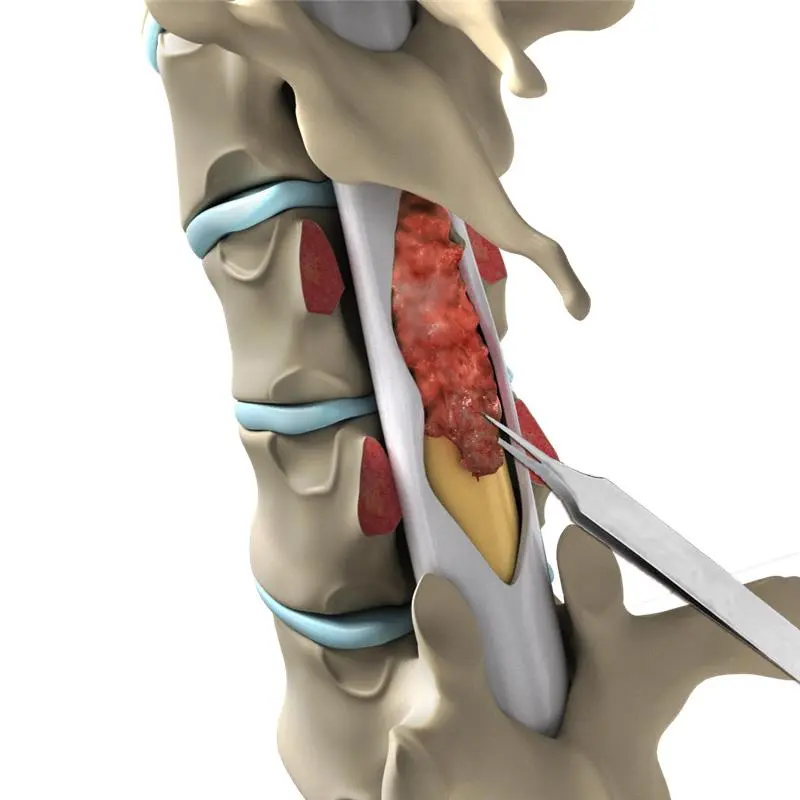
Spine trauma surgery is a specialized surgical intervention performed to stabilize and repair the spine after traumatic injury.
Complex Spine Surgery
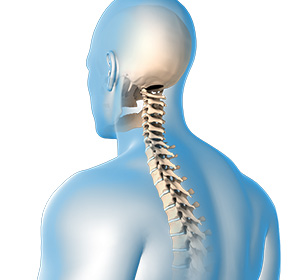
Complex spine surgery is a procedure that involves six or more vertebrae of the spinal column, requiring six or more hours of surgery to correct a spinal deformity.
Spine Surgery
Spine surgery is a surgical procedure to treat conditions of the spine such as structural abnormalities, infections, trauma, tumors, malformations, and degenerative spine conditions like stenosis and herniated discs.
Spine Injections
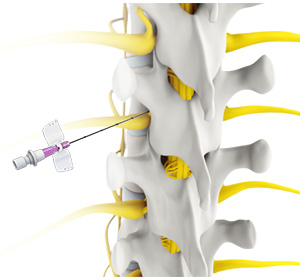
A spine or spinal injection is a minimally invasive procedure in which a medication is administered, using a needle and syringe, into the spine under real-time X-ray guidance - called fluoroscopy - to diagnose and treat numerous spine conditions.
Back Pain Exercises

Strenuous activities of daily living can stress the back resulting in pain. It is natural at this time to withdraw from activity and rest, but is not helpful in the long run and may actually slow down the healing process.
Spine Arthritis
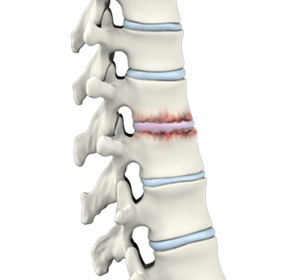
Spine arthritis is a condition characterized by the inflammation, degeneration, or wearing out of cartilage in the joints of the spine.
Spinal Compression Fractures
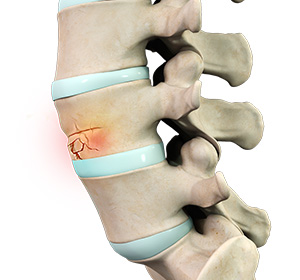
A compression fracture of the vertebra occurs when the bones of the spine (vertebrae) collapse.
Fractures of the Spine
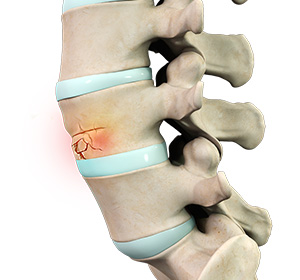
A fracture of the spine is a break in the bone continuity of the spinal vertebrae or vertebral column.
Spinal Disorders
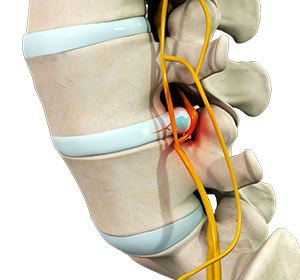
The spine is made up of a column of small bones called vertebrae that surround and protect the spinal cord and nerves that branch out from the spinal cord.
Spinal Instability
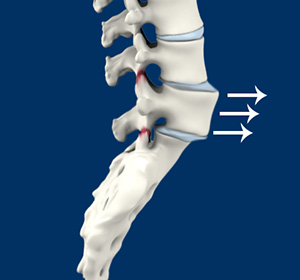
Spinal instability refers to the condition of failure of the spinal column to maintain its normal structure.
Spondylolysis
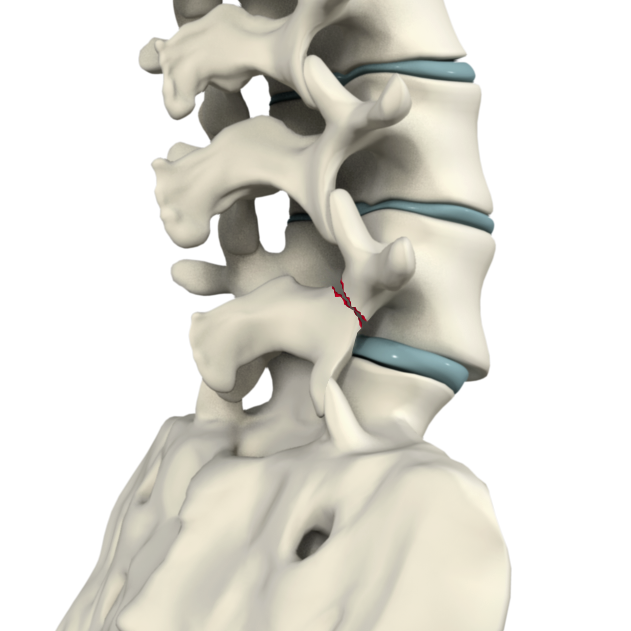
Spondylolysis is a stress fracture in the vertebra that may progress into spondylolisthesis, a condition where the vertebra gets displaced from the spinal column.
Spondylolisthesis
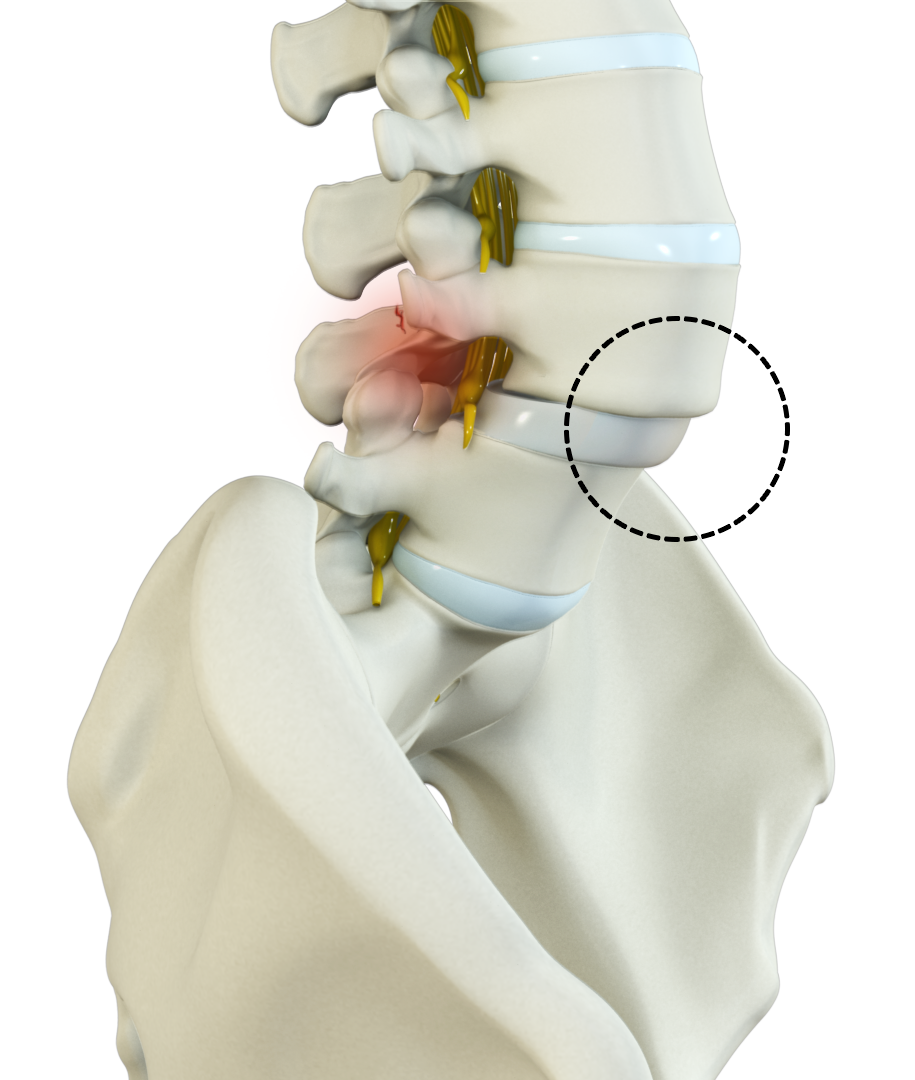
Spondylolisthesis is the displacement of the vertebral disc from the spinal column.
Spine Deformities
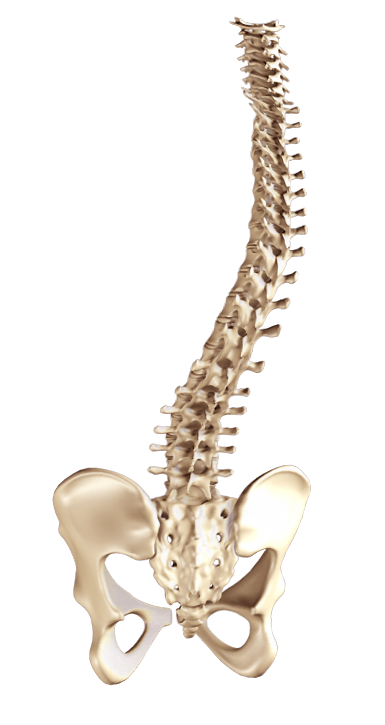
The spine or backbone provides stability to the upper part of our body. It helps to hold the body upright.
Scoliosis
Scoliosis is a condition characterized by the abnormal curvature of the spine that causes a deviation to one side.
Degenerative Disc Disease
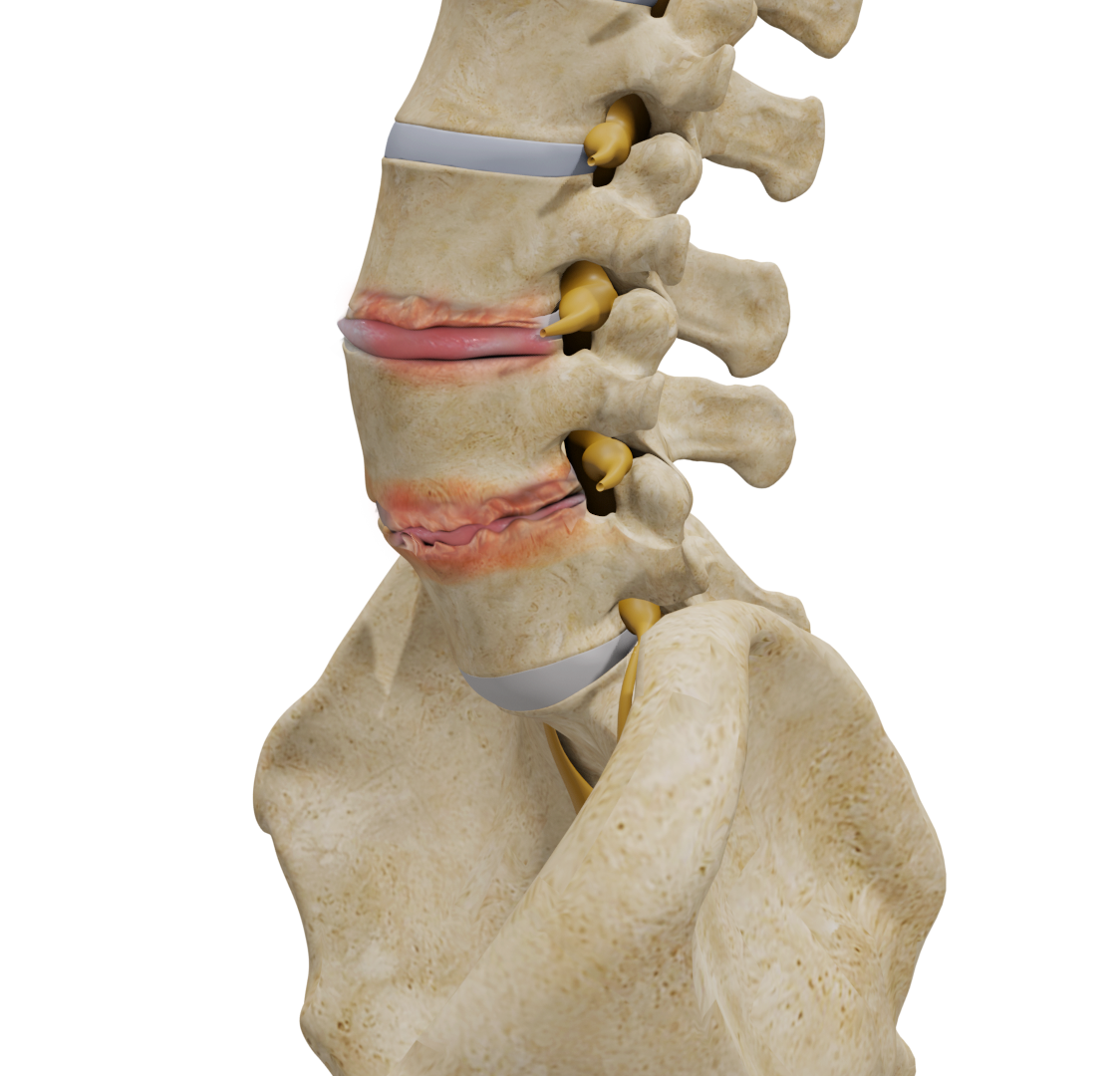
Degenerative disc disease (DDD) refers to the gradual deterioration of the intervertebral discs between the vertebrae.
Spine Trauma
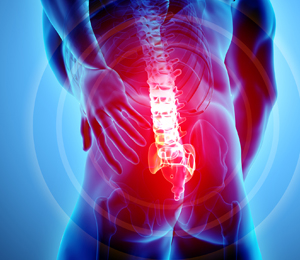
Spine trauma is defined as an injury or damage to any region of the spine. The spine extends from the neck to the lower back and consists of the vertebral bones
Back Pain
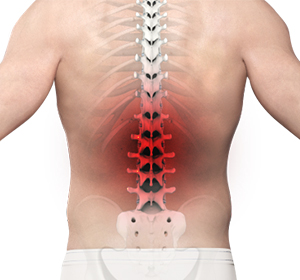
Back pain or backache is the pain felt in the back that may originate from damage to the muscles, nerves, bones, joints or other structures in the spine.
Neck Pain
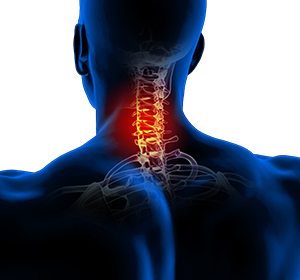
Common neck pain may occur from muscle strain or tension from everyday activities including poor posture, prolonged use of a computer and sleeping in an uncomfortable position.
Low Back Pain
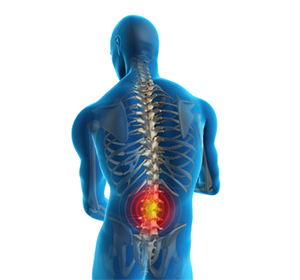
Low back pain is often a common symptom of many disease conditions and the back pain may range from simple or dull pain to sudden and sharp pain.
Mid-back Pain

Mid-back pain is also called as thoracic pain or upper back pain. It occurs at the back of the chest and is much less common than lower back pain.
Neck Strains and Sprains
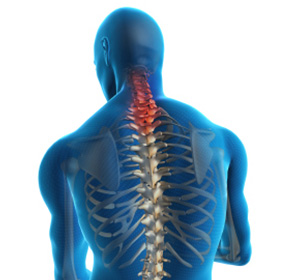
A sprain is a ligament injury caused by overstretching the ligament beyond its optimal capacity. It may even result in a ligament tear.
Neck and Back Injuries
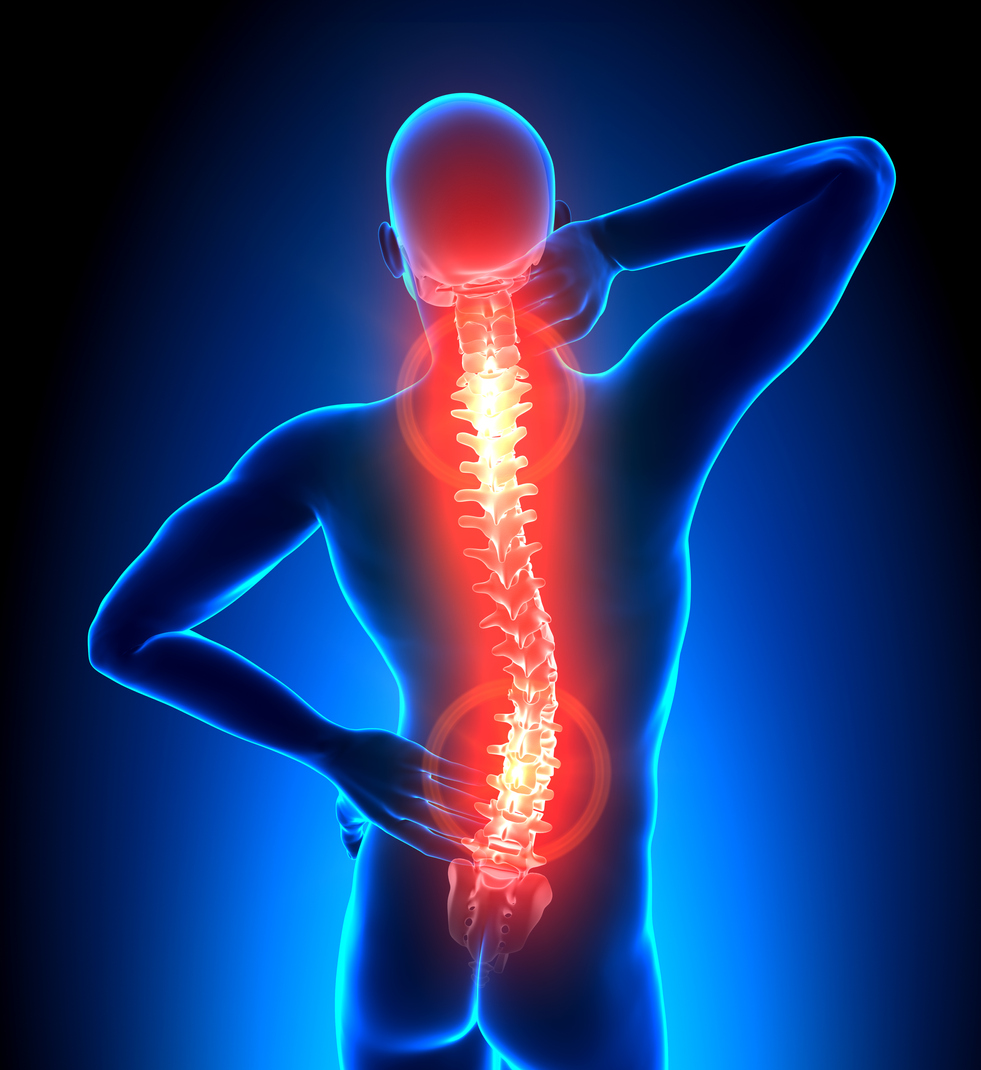
Neck and back injuries usually result from damage to the surrounding structures such as the muscles, bones, or ligaments of the neck and back.
Spinal Stenosis
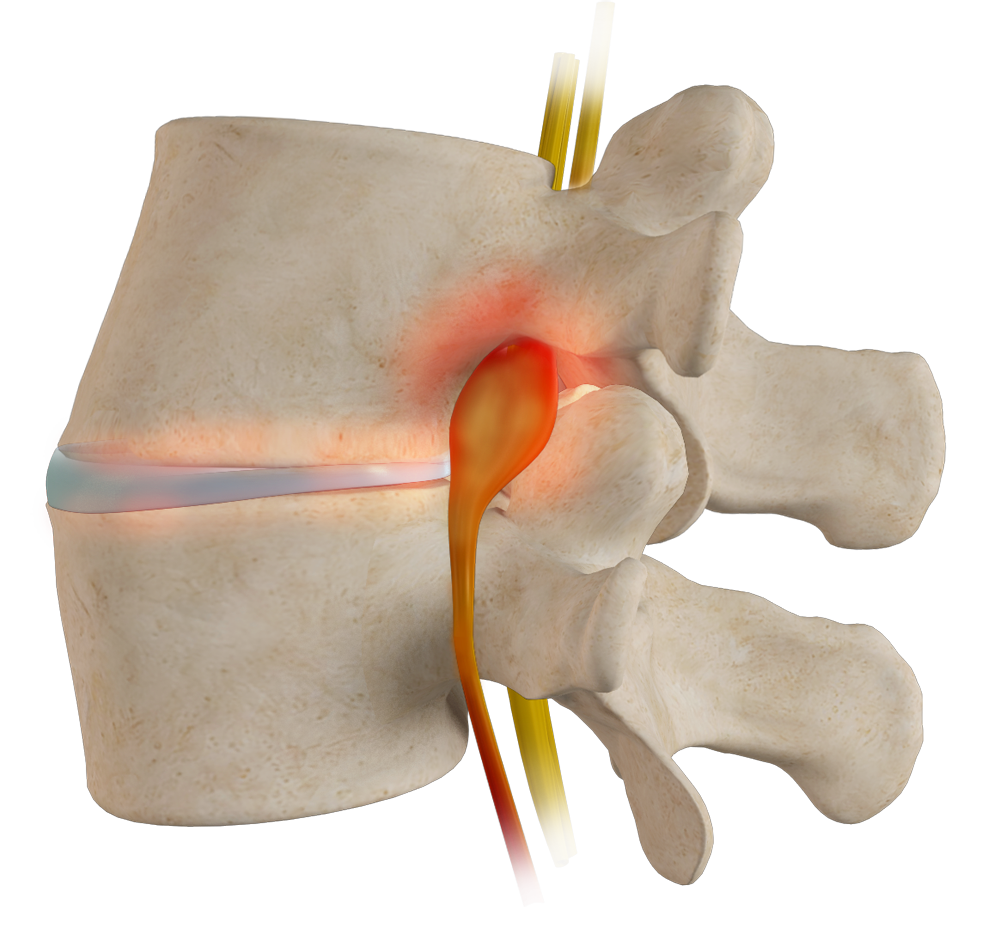
Spinal stenosis is a condition caused by the vertebral column constricting and exerting pressure on the spinal cord or neural foramen
Spinal Tumors
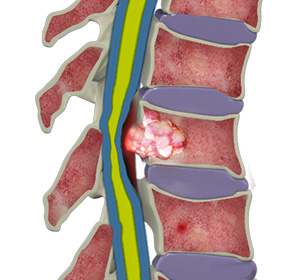
A spine tumor is an abnormal and uncontrolled growth of tissues or cells in and around the spinal cord. Tumors can either be cancerous (malignant) or non-cancerous (benign).
Spinal Infection
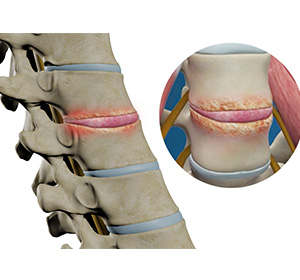
A spinal infection is described as an infection of the spine. It can occur in various locations of the spine i.e., intervertebral disc space, vertebral column, spinal canal, and nearby soft tissues.